Liquidating Estate Silver: A Comprehensive Guide to Managing Bulk Inherited Holdings
- Categorizing Your Inherited Silver Holdings
- Determining the Purity and Value of Estate Silver
- To Clean or Not to Clean? (The Golden Rule)
- Where to Sell Bulk Inherited Silver for the Best Price
- Tax Implications and Documentation for Liquidations
- Avoiding Common Pitfalls in Bulk Silver Sales
- Frequently Asked Questions
Inheriting a substantial amount of silver can be both a blessing and a logistical challenge. Whether you have discovered a collection of vintage coinage, bars of bullion, or boxes of sterling flatware, the process of liquidating these assets requires a strategic approach. Unlike selling a single item, managing bulk inherited holdings involves considerations of market timing, purity verification, and tax compliance.
This guide provides a professional roadmap for heirs and estate executors to maximize the value of silver assets while minimizing stress and potential financial loss.
Categorizing Your Inherited Silver Holdings
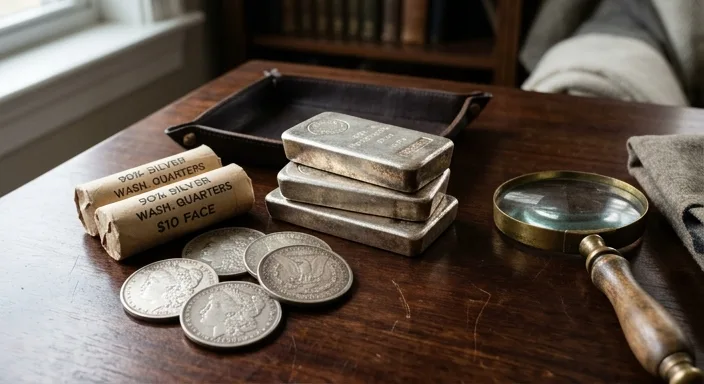
Before you contact a buyer, you must organize the estate holdings. Not all silver is valued the same way. Generally, inherited silver falls into four categories:
- 90% Silver "Junk" Coins: U.S. dimes, quarters, and half-dollars minted in 1964 or earlier. These are valued primarily for their metal content but can carry small premiums in bulk.
- Government Minted Bullion: Items like American Silver Eagles or Canadian Maple Leafs. These are 99.9% pure and are highly liquid.
- Private Mint Bars and Rounds: Generic silver produced by companies like Sunshine Minting or Engelhard. These usually trade closest to the "spot" price.
- Sterling Silver: Items marked ".925," such as flatware, trays, and jewelry. These require different refining processes and are often sold by weight minus a refining fee.
Determining the Purity and Value of Estate Silver
Valuation begins with identifying hallmarks. For bullion and coins, the weight and purity are usually stamped directly on the item. However, for estate silver items like tea sets or flatware, look for the word "Sterling" or the numbers "925" (indicating 92.5% silver). Items marked "Silver Plate," "EPNS," or "Weighted" have very little silver content and are generally not worth more than their decorative value.
To estimate the value of bulk lots, multiply the total weight of the silver (in troy ounces) by the current silver spot price. Keep in mind that 90% coinage has approximately 0.715 troy ounces of silver per $1.00 of face value. Professional dealers will pay a percentage of this total "melt value," usually ranging from 85% to 98% depending on the volume and type of material.
To Clean or Not to Clean? (The Golden Rule)
The most common mistake heirs make is attempting to "shine up" inherited coins or bars before selling them. Never clean, polish, or dip silver coins.
In the world of numismatics (coin collecting), original patina and "toning" are highly desirable. Harsh cleaning creates micro-abrasions on the surface of the metal that can instantly reduce the value of a collectible coin by 50% or more. If you are dealing with bulk bullion or junk silver, cleaning is simply a waste of time, as the buyer is purchasing the silver content regardless of the surface appearance.
Where to Sell Bulk Inherited Silver for the Best Price
When liquidating bulk holdings, you have several options, each with pros and cons:
Local Coin Shops (LCS): These offer the benefit of immediate payment and local proximity. However, they may not have the liquidity to offer the highest prices for very large bulk lots (e.g., hundreds of pounds of silver).
Online National Dealers: Large wholesalers often offer the most competitive prices for bulk holdings because they move massive volumes. You will typically lock in a price online and ship your items via insured mail.
Specialized Estate Liquidators: If the collection contains rare numismatic coins alongside bulk silver, a specialized auction house might be better. They take a commission but may find a collector willing to pay a high premium for specific rarities.
Tax Implications and Documentation for Liquidations
Liquidating silver is a taxable event. In most jurisdictions, inherited assets receive a "stepped-up basis." This means your "cost" for the silver is the fair market value of the silver on the date of the original owner's death, rather than what they originally paid for it.
Keep meticulous records including:
- The date of inheritance.
- The silver spot price on that date.
- Receipts or settlement sheets from the buyer when you sell.
Consult with a tax professional, as precious metals are often taxed at the "collectible" capital gains rate, which can differ from standard capital gains.
Avoiding Common Pitfalls in Bulk Silver Sales
Selling a lifetime's worth of accumulation can be emotional. To ensure you get a fair deal:
- Inventory Everything: Don't just hand over a box. List quantities and weights so you know exactly what you are selling.
- Check for Key Dates: Before selling "junk" silver for melt value, check for rare dates or mint marks. A single 1916-D Mercury Dime is worth thousands more than its weight in silver.
- Avoid "Hotel Buyers": Beware of traveling "roadshow" buyers who set up in hotels for a weekend. They typically offer significantly lower prices than established dealers.
Frequently Asked Questions
A: Most dealers will buy it by weight and send it to a refinery themselves. You should not try to melt it yourself, as you will lose purity and weight in the process without the proper equipment.
A: Most national dealers look for at least $1,000 in value for a bulk transaction, though local shops will often buy any amount.
A: Use USPS Registered Mail. It is the slowest but most secure method, requiring every person who touches the package to sign for it. It also offers insurance for high-value shipments.