I may earn a commission at no extra cost to you. #ad
The Essential Guide to Selling Bulk Silver: Maximizing Your Secondary Market ROI
Jump to Section
Accumulating silver is often the easy part. Whether you have spent years "stacking" or have recently inherited a significant collection, the transition from buyer to seller can be a daunting experience. In the world of precious metals, the "secondary market" is where physical silver changes hands after its initial minting and retail sale.
To maximize your Return on Investment (ROI) when selling bulk silver, you must move beyond the mindset of a casual hobbyist and adopt the strategies of a professional liquidator. This guide outlines the essential steps to ensure you don't leave money on the table.
Understanding the Secondary Silver Market
The secondary market is highly liquid but sensitive to volume. Unlike selling a single ounce, selling "bulk" (typically defined as 100+ ounces or $100+ face value of constitutional silver) requires a different approach. Buyers in this space are looking for ease of resale, authenticity, and a margin that allows them to hedge against price volatility.
Market conditions dictate your leverage. In high-demand environments, premiums on secondary silver can skyrocket. In stagnant markets, you might be forced to sell at "back of spot" (below the current market price). Monitoring the bid/ask spread of major bullion dealers is the first step in understanding what the market is currently willing to pay.
Categorizing Your Bulk Holdings
Before contacting a buyer, you must audit your inventory. Bulk silver is generally categorized into three tiers, each with its own valuation logic:
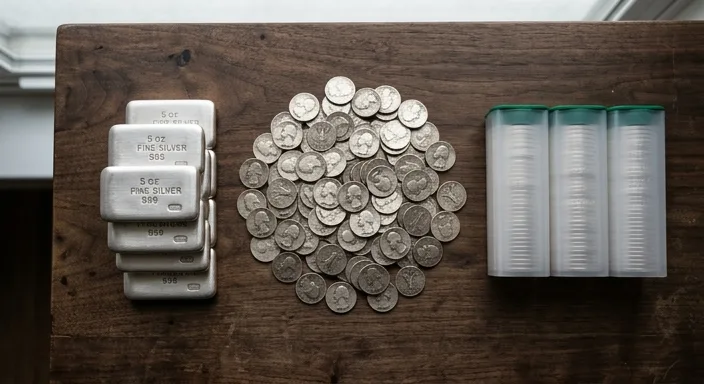
- Constitutional (Junk) Silver: Pre-1965 U.S. dimes, quarters, and halves. These are valued based on their silver content (approximately 0.715 oz per $1 face value) but often carry a "scarcity premium."
- Generic Bullion: Private mint rounds and bars (e.g., Sunshine Mint, Silvertowne). These are the most liquid but usually track the spot price most closely.
- Sovereign Minted Coins: Silver Eagles, Maples, and Britannias. These represent the highest tier of bulk silver and should always command a premium over generic bullion.
Pricing Strategies: Spot vs. Premium
When selling bulk, your goal is to recover as much of the original premium you paid as possible. While the spot price is the foundation of the value, it is not the ceiling. Professional sellers calculate their "Net Realized Price" by subtracting shipping, insurance, and commissions from the final sale price.
The "Wholesale" Trap: Many large dealers will offer you a flat rate for bulk lots. While convenient, this is often the lowest price you will receive. To maximize ROI, consider breaking your bulk holdings into smaller, more manageable "lots" that can be sold to individuals or smaller dealers who are hungry for inventory.
Finding the Right Buyer for Volume
Your choice of buyer is the single biggest factor in your final ROI. You have three primary options:
- Local Coin Shops (LCS): Best for immediate cash. However, their overhead is high, meaning they may offer lower prices for large volumes that tie up their capital.
- Online Bullion Giants: These companies have infinite liquidity. They will buy almost anything, but their pricing is non-negotiable and usually tailored for their own profit margins.
- Specialty Secondary Market Platforms: Platforms like SilverCoinLots or peer-to-peer forums allow you to bypass the middleman. By selling directly to another stacker or a smaller investor, you can often split the difference of the retail premium.
Logistics, Shipping, and Security
Shipping 50 pounds of silver is a logistical challenge. Security is paramount. When shipping bulk silver:
- Use "Double Boxing": Place your silver in a small, heavily taped box, then place that box inside a larger box with padding. The goal is to prevent the inner box from shifting and to ensure that if the outer box is damaged, the contents remain hidden.
- Discreet Labeling: Never use words like "Silver," "Gold," "Coins," or "Bullion" on the shipping label. Use a personal name or a generic business acronym.
- Insurance: Only use carriers that provide high-value insurance. USPS Registered Mail is widely considered the gold standard for precious metals due to its chain-of-custody requirements and high insurance limits (up to $50,000).
Common Pitfalls to Avoid
The most common mistake sellers make is cleaning their silver. In the secondary market, "toning" or "tarnish" is often preferred over a cleaned, scratched surface. Cleaning can significantly reduce the value of constitutional silver or sovereign coins.
Another pitfall is failing to account for market volatility. If silver drops $2 while your package is in the mail, will your buyer honor the price? Most reputable buyers offer "price locking," where the price is fixed the moment you agree to the sale, regardless of market movement during transit. Always ensure your buyer provides a written confirmation of a locked price.
Frequently Asked Questions
The best way depends on your goals. For speed, local coin shops or major online bullion dealers are best. For maximum ROI, private sales or specialty silver lot platforms often provide higher premiums.
It varies by product. Junk silver and generic rounds often sell at or slightly below spot (1-3% back), while sovereign coins like Silver Eagles may still command a premium above spot even in bulk.
In the United States, precious metals are considered collectibles. Capital gains tax usually applies if you sell for more than your cost basis. Consult a tax professional for specific advice.
Yes, if using Registered Mail through the USPS or a private insured courier. Always double-box your items and ensure the package is fully insured for its replacement value.